Kanagawa and Shizuoka, Japan
Neighbours sell spare rooftop solar to each other, metered once.
We record how much each home generates and uses in half-hour blocks, and settle the difference between neighbours on the same feeder.
daisuke@sunneighbor.siteSee the pairing steps
SN-1204Balanced
SN-1211+42 kWh
SN-1218−18 kWh
SN-1225Balanced
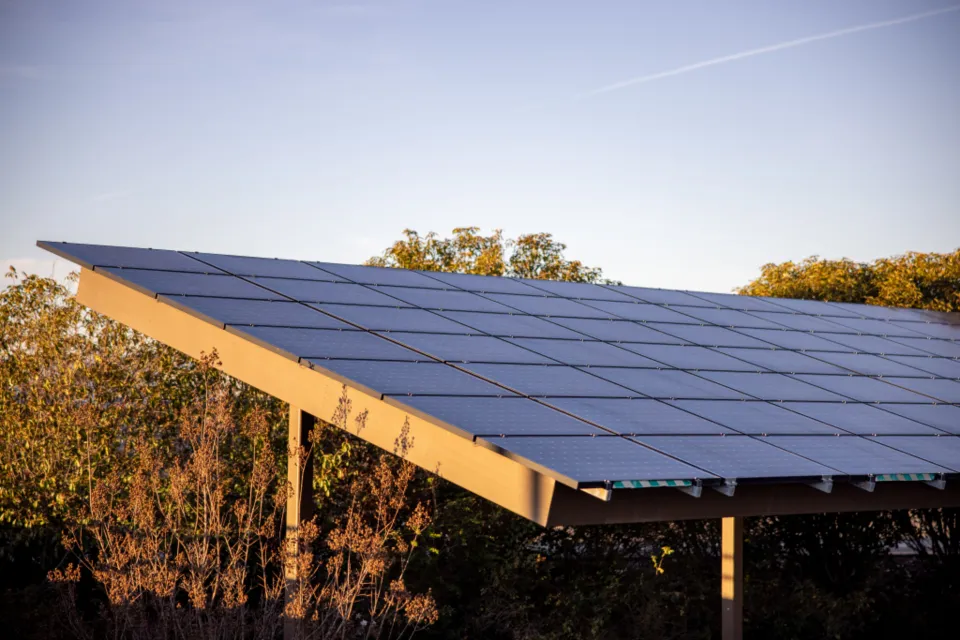
A sunny Tuesday on one feeder
Panels wake up. Most houses still draw from the grid for breakfast.
House SN-1211 exports 3.1 kWh. Next door, SN-1218 runs a washing machine and takes it.
Surplus on the street peaks. Unpaired power goes to the utility as usual.
Each pair gets one statement: sold, bought, and what the grid paid.
Three households, one fence line
The trade sits between two neighbours. The utility keeps its own contract and simply sees less power crossing the street.
Rooftop sellerReadings taken at the start and end of each block, checked against a second meter.
Neighbour who buysMatched on the same feeder. Either side can end the pairing with a month's notice.
The utilityKeeps its bill unchanged. We only record the trade between the two houses.
What a month of shared sunlight costs
Before you pair with a neighbour
- Do I change my utility contract?
- No. The trade is recorded between neighbours, and the utility keeps its own bill.
- What data is shared?
- Only the half-hour block values for your pair.
- Can a pairing stop?
- Yes, with one month's notice. The last settlement stays on the record.